

The Philippines island microgrids are moving to the center of the country’s energy strategy. Millions of households still lack reliable electricity. Many live on remote islands where grid expansion is costly and slow. To close this gap, the Department of Energy (DOE) is opening tenders for hybrid solar-diesel microgrids. This shift creates a strong and profitable niche for small-scale independent power producers, or IPPs.
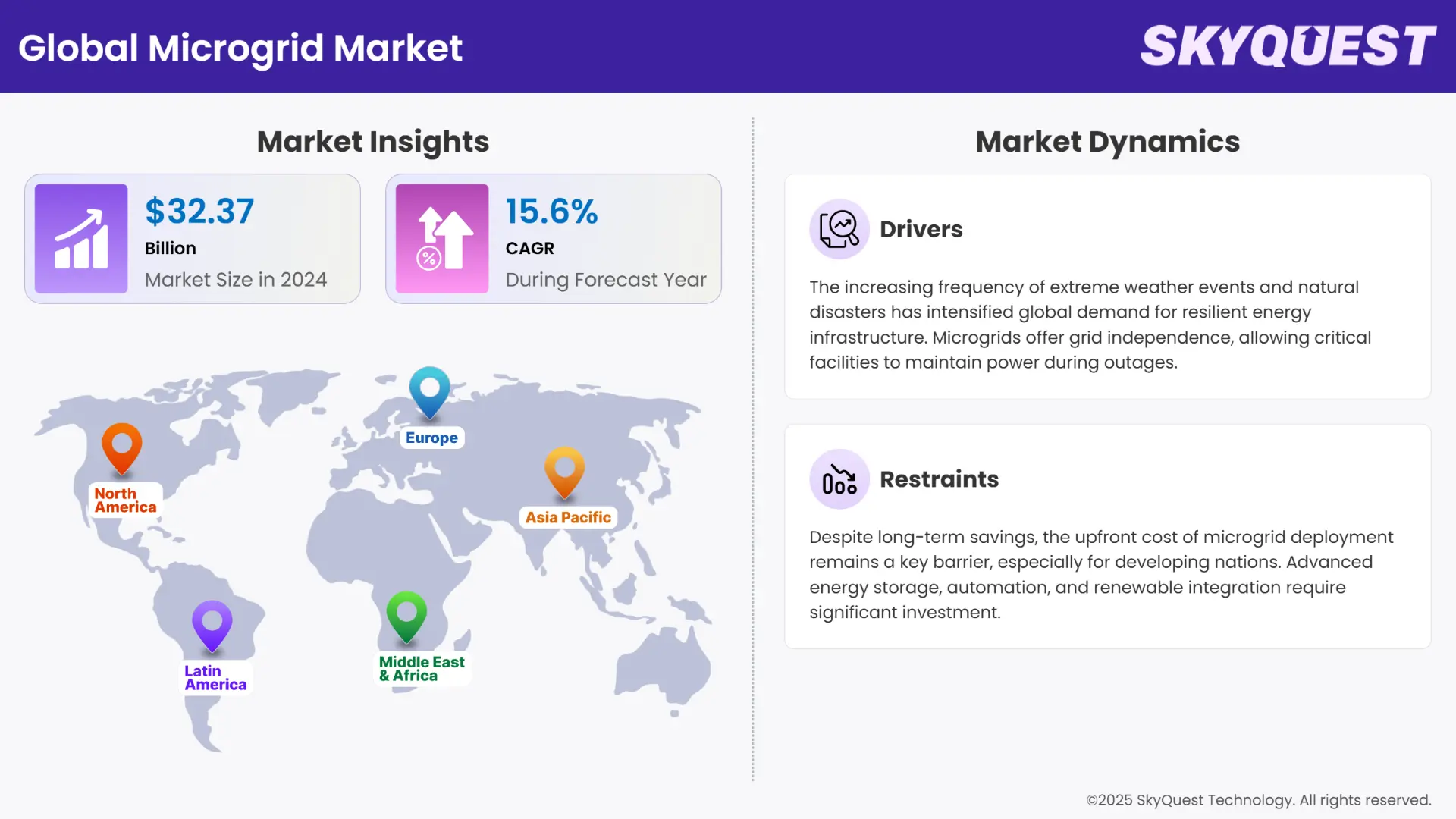
The opportunity is real. The Philippines microgrid market is projected to reach USD 620.14 million by 2029, growing at a 17.6% annual rate. Most of this demand comes from off-grid and island areas where power access remains limited.
DOE Tenders Target Off-Grid Island Communities
The DOE has already awarded contracts for eight hybrid solar-diesel-storage microgrids in Cebu, Quezon, and Palawan. These projects provide 24/7 electricity under 20-year subsidy agreements. They are part of a broader push to reach full household electrification by 2030.
The third auction, set to launch by late June 2025, will cover 71 lots across 167 unserved and underserved areas. More than 15,000 households are included in this first major wave. Winning bidders will receive fast-tracked permits, as these projects are classified as nationally significant.
Why Philippines Island Microgrids Work
Hybrid renewable energy systems have already proven their value. A 32 kW solar PV microgrid on Isla Verde avoids 1,084 tons of CO₂ emissions each year and saves households $274 annually. This shows how even small systems can deliver strong economic and environmental benefits.
In Western Visayas, hybrid systems on 53 off-grid islands could reduce emissions by 34% to 42% compared to diesel-only generation. On 22 islands, renewable energy would supply 35% of total power needs. Studies across 634 off-grid islands confirm that solar PV is technically and financially viable everywhere.
Read Also: Philippines Solar Power Drop Could Slash Power Prices by 24% by 2029
Hybrid Philippines Island Microgrids Reduce Risk for IPPs
Hybrid solar-diesel systems offer stability. Solar cuts fuel use and emissions. Diesel ensures reliability at night or during storms. Battery storage smooths supply. This mix lowers operating risk for investors while delivering dependable power to communities.
The Philippines is also home to Southeast Asia’s largest solar-battery microgrid in Paluan. It powers remote areas that never had grid access before and enables productive uses like small businesses and cold storage.
Read Also: Philippines Renewable Energy Auction Reform Sparks Global Deals
2025 Rules Unlock 100% Foreign Ownership
The biggest shift came from regulation. Amendments reinforced in 2025 now allow 100% foreign ownership of renewable energy projects. The old 40% cap is gone. This applies to solar, wind, and hybrid microgrids.
The revised Microgrid Systems Act rules, issued in May 2025, also streamline tenders and provide automatic renewable energy service contracts. Together, these changes send a clear signal: the Philippines is open to private and foreign investment in off-grid power.
Why the Philippines Island Microgrids Matter Now
The island microgrids sit at the intersection of policy support, proven technology, and urgent demand. For IPPs, this is a rare chance to enter a growing market with long-term contracts and lower regulatory risk.
To better understand opportunities in the Philippines island microgrids, investors and developers can explore services from Market Research Philippines by Eurogroup Consulting. With 40 years of distinguished experience and a strong focus on market research in the Philippines, Eurogroup Consulting helps clients navigate the country’s fast-changing energy landscape and succeed with confidence.
